Table of Contents
- Signal Loss and Distance
- Physical Differences
- Cost Comparison
- When to Use RG6 vs RG11
- Frequently Asked Questions[+]
- RG6 vs RG11 for Satellite TV
- RG6 vs RG11 for Cable Internet
- RG6 vs RG11 Installation Considerations
- My Recommendation
- RG6 vs RG11 for Security Camera Systems
- RG6 vs RG11: Technical Specifications[+]
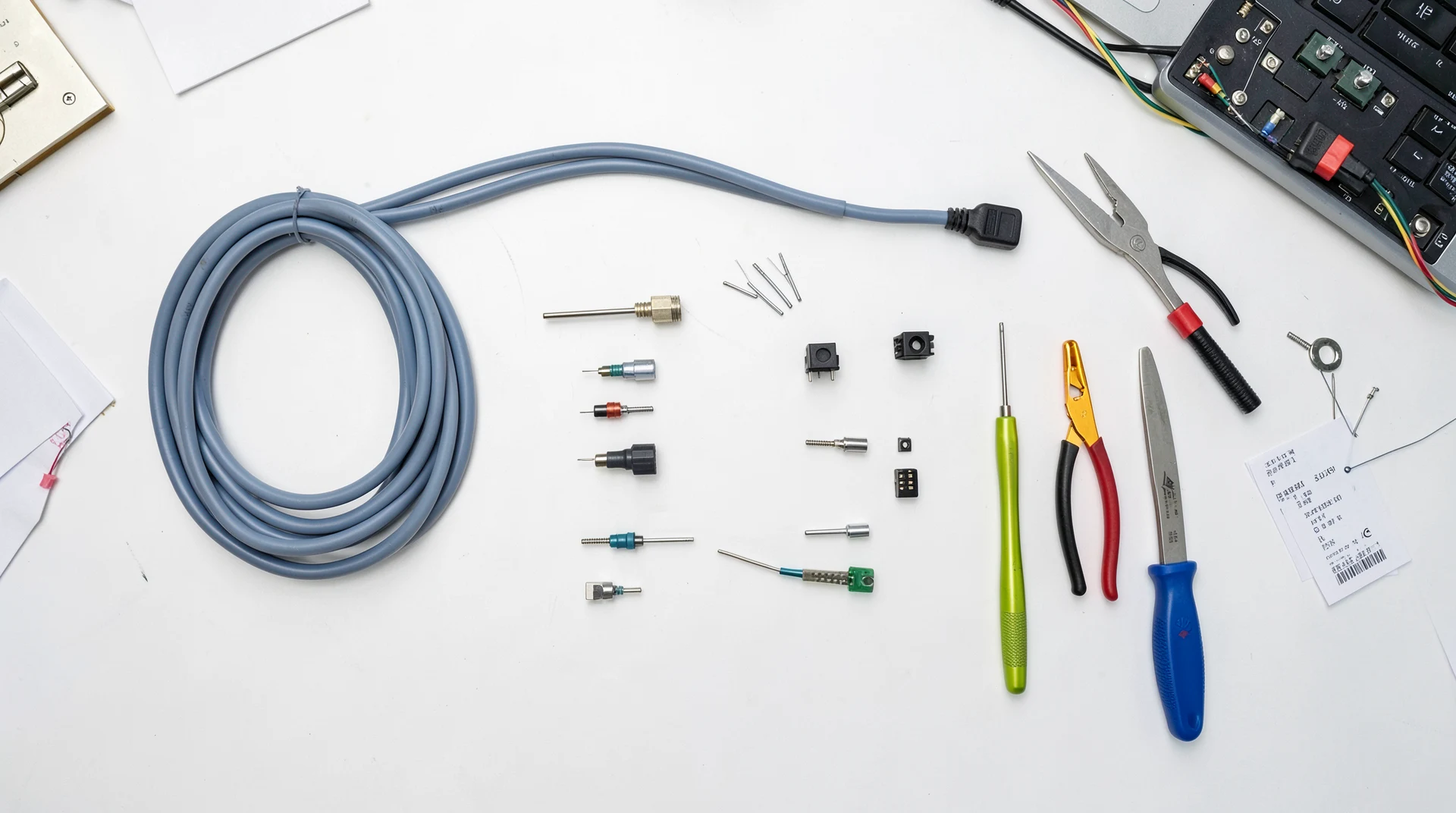
Updated July 2026. RG6 and RG11 are both types of coaxial cable used for television and internet signals. The main difference is that RG11 has a thicker center conductor and lower signal loss than RG6, making it suitable for longer cable runs. RG6 is the standard for most home installations, while RG11 is used for longer runs where signal loss would be a problem with RG6. This article explains the differences in detail.
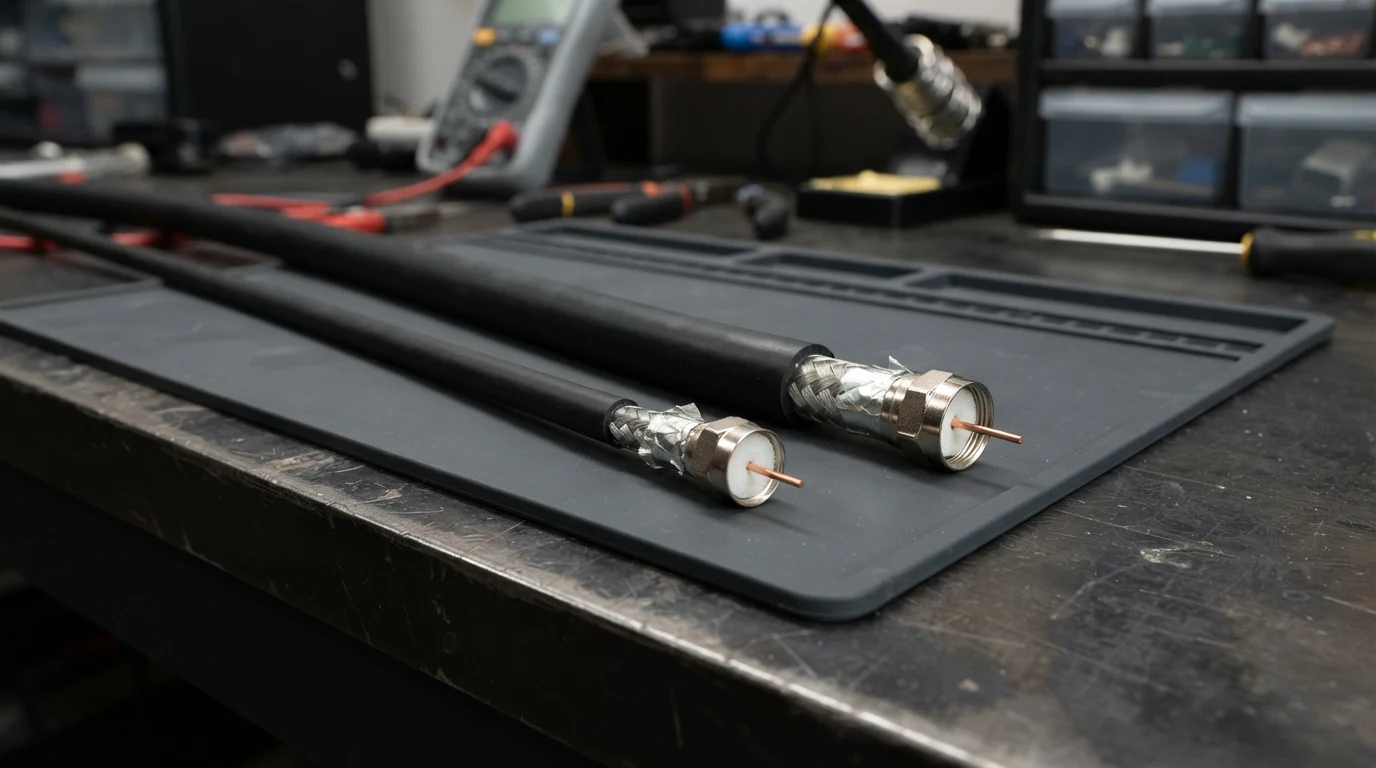
Both RG6 and RG11 are 75-ohm coaxial cables designed for RF signals. The RG number refers to the cable’s specifications, including the diameter of the center conductor, the type of dielectric, and the overall cable diameter. RG6 has a center conductor diameter of 1.02 mm, while RG11 has a center conductor diameter of 1.63 mm. The larger conductor in RG11 results in lower signal loss per foot, allowing longer cable runs before the signal degrades below acceptable levels.
Signal Loss and Distance
The most important difference between RG6 and RG11 is signal loss. At 1 GHz, RG6 loses about 6 dB per 100 feet, while RG11 loses about 4 dB per 100 feet. This means RG11 can carry signals about 50 percent farther than RG6 before the signal level drops below the minimum required for reliable reception. For a typical cable TV or internet installation, RG6 can reliably carry signals up to about 150 feet. RG11 can reliably carry signals up to about 250 feet. For longer runs, RG11 is the better choice. The lower signal loss of RG11 is particularly important for higher frequency signals. At the frequencies used by DOCSIS 3.1 cable internet, which can go up to 1.2 GHz, the signal loss advantage of RG11 is significant. For short runs under 50 feet, the difference between RG6 and RG11 is negligible. For runs over 100 feet, RG11 provides noticeably better signal quality.
Physical Differences
RG11 is significantly thicker and less flexible than RG6. RG6 has a diameter of about 0.25 inches, while RG11 has a diameter of about 0.4 inches. The larger diameter of RG11 makes it more difficult to route through tight spaces and around corners. RG11 also has a minimum bend radius of about 4 inches, compared to 2 inches for RG6. Bending RG11 too sharply can damage the cable and cause signal problems. RG11 is also heavier than RG6, which makes it more difficult to work with. A 100-foot length of RG6 weighs about 5 pounds, while a 100-foot length of RG11 weighs about 10 pounds. The connectors for RG11 are also larger and more expensive than those for RG6. RG11 requires specialized connectors that are designed for the larger cable diameter. These connectors are more expensive and require different termination tools. For most home installations, the flexibility and ease of installation of RG6 make it the better choice. RG11 should only be used when the cable run is too long for RG6.
Cost Comparison
RG11 is significantly more expensive than RG6. RG6 bulk cable costs about $0.30 to $0.80 per foot, while RG11 bulk cable costs about $0.80 to $2.00 per foot. The connectors for RG11 are also more expensive. RG6 F-type connectors cost about $0.50 to $2 each, while RG11 connectors cost about $2 to $5 each. The termination tools for RG11 are also more expensive. A basic RG6 termination kit costs about $20 to $50, while an RG11 termination kit costs about $50 to $100. For a typical home installation with cable runs under 100 feet, the cost difference between RG6 and RG11 is about $50 to $100. For larger installations with longer runs, the cost difference can be several hundred dollars. In most cases, RG6 is the more cost-effective choice for home installations. RG11 is only worth the extra cost when the cable run is too long for RG6 to provide reliable signal quality.
When to Use RG6 vs RG11
RG6 is the standard for most home installations. Use RG6 for cable TV and internet connections when the cable run is under 150 feet. Use RG6 for satellite TV connections when the cable run is under 100 feet. Use RG6 for security camera connections when the cable run is under 150 feet. RG11 is recommended for longer runs. Use RG11 for cable runs over 150 feet. Use RG11 for the main feeder line from the service provider connection point to the home. Use RG11 for commercial installations where multiple outlets are connected to a single cable run. For most homeowners, RG6 is the right choice. If you’re installing cable for a large house or a commercial building, you may need RG11 for some of the longer runs. Consult with a professional installer if you’re unsure which cable type is right for your installation.
Frequently Asked Questions
Can I use RG6 and RG11 together?
Yes, you can use RG6 and RG11 together in the same installation. RG11 is typically used for the main feeder line, and RG6 is used for the drops to individual outlets. The transition between the two cable types requires a proper connector or splice.
Is RG11 worth the extra cost for home use?
For most homes, RG11 is not worth the extra cost. RG6 provides adequate signal quality for cable runs under 150 feet. RG11 is only worth the extra cost for runs over 150 feet or for installations where signal quality is critical.
Do I need special tools for RG11?
Yes, RG11 requires different termination tools than RG6. The connectors are larger and require a different crimp or compression tool. The cable stripper must also be sized for the larger cable diameter.
Can I terminate RG11 myself?
Yes, but it requires the correct tools and practice. RG11 is more difficult to terminate than RG6 due to the larger cable diameter and thicker dielectric. The connectors must be properly installed to ensure reliable signal quality.
Written by James Core, technology writer and cabling specialist. Updated July 2026.
RG6 vs RG11 for Satellite TV
Satellite TV installations have specific requirements for coaxial cable. The signals from satellite TV are at higher frequencies than cable TV, typically in the range of 950 to 2150 MHz. At these higher frequencies, signal loss is more significant. RG6 is the minimum standard for satellite TV installations. It can reliably carry satellite signals up to about 100 feet. For longer runs, RG11 is recommended. The higher signal loss of RG6 at satellite frequencies means that long cable runs can result in signal levels that are too low for the satellite receiver to lock onto the signal. This can cause picture breakup, loss of channels, or complete signal loss. RG11’s lower signal loss makes it the better choice for satellite TV installations with cable runs over 100 feet. Many satellite TV installers use RG11 for the main feeder line from the dish to the house, and RG6 for the drops to individual receivers. The lower signal loss of RG11 ensures that the signal from the dish arrives at the house with enough strength to be split among multiple receivers. If you’re installing a satellite TV system, use RG11 for the main cable run if it’s over 100 feet, or if you’re splitting the signal to multiple receivers.
RG6 vs RG11 for Cable Internet
Cable internet uses the same coaxial cable infrastructure as cable TV. The signals used by cable internet are at frequencies up to 1.2 GHz for DOCSIS 3.1. At these frequencies, signal loss is a significant concern. RG6 is the standard for cable internet installations. It can reliably carry cable internet signals up to about 150 feet. For longer runs, RG11 is recommended. The signal loss at cable internet frequencies is about 6 dB per 100 feet for RG6 and about 4 dB per 100 feet for RG11. This means that a 200-foot run of RG6 would have about 12 dB of signal loss, while a 200-foot run of RG11 would have about 8 dB of signal loss. The lower signal loss of RG11 can result in higher internet speeds and more reliable connections. The difference is most noticeable at the higher frequencies used by DOCSIS 3.1. For cable internet installations with cable runs under 150 feet, RG6 is sufficient. For runs over 150 feet, RG11 is recommended for the best performance. If you’re experiencing slow internet speeds or intermittent connectivity, a long RG6 cable run could be the cause.
RG6 vs RG11 Installation Considerations
Installing RG11 is more challenging than installing RG6 due to the larger cable diameter and lower flexibility. RG11 requires more space for routing through walls and ceilings. The minimum bend radius of RG11 is about 4 inches, compared to 2 inches for RG6. This means RG11 cannot be bent around tight corners without damaging the cable. RG11 is also heavier, which makes it more difficult to support along its length. Long runs of RG11 need to be properly supported with cable ties or clips to prevent sagging. The connectors for RG11 are larger and require more space behind the wall plate. This can be a problem in tight spaces like behind a TV or entertainment center. The termination process for RG11 is also more demanding. The larger cable diameter requires more force to crimp or compress the connector. The thicker dielectric requires more careful stripping to avoid damaging the center conductor. Despite these challenges, RG11 is still a practical choice for long cable runs when installed by a professional. The lower signal loss of RG11 provides real benefits for signal quality and reliability.
My Recommendation
Based on my experience with both cable types, I recommend RG6 for most home installations. RG6 is adequate for the vast majority of home cable runs, which are typically under 100 feet. RG6 is easier to install, more flexible, and less expensive than RG11. If you have a cable run over 150 feet, or if you’re experiencing signal quality issues with an existing RG6 installation, upgrading to RG11 can help. For new installations, consider using RG11 for the main feeder line from the service provider connection point to the home, even if the run is under 150 feet. The lower signal loss of RG11 provides a better foundation for the entire installation. For the drops to individual outlets, RG6 is sufficient. This combination of RG11 for the main line and RG6 for the drops provides the best balance of performance and cost.
RG6 vs RG11 for Security Camera Systems
Security camera systems that use analog coaxial cameras require proper cable selection for reliable performance. Analog security cameras typically use RG59 or RG6 coaxial cable with BNC connectors. RG59 is the minimum standard for analog security cameras, but RG6 is recommended for longer runs. RG59 can reliably carry analog video signals up to about 500 feet, while RG6 can carry signals up to about 750 feet. RG11 can carry signals up to about 1,000 feet. For most residential security camera installations, RG6 is the best choice. It provides adequate signal quality for camera runs under 500 feet, which covers the vast majority of residential installations. The connectors for RG6 with BNC type are widely available and easy to terminate. For commercial installations with longer camera runs, RG11 may be necessary. The lower signal loss of RG11 ensures that video signals from cameras located hundreds of feet from the recording equipment remain clear and stable. The higher cost of RG11 is justified for these longer runs. For new security camera installations, consider using RG6 as the standard and RG11 only for runs that exceed 500 feet. If you’re using IP cameras instead of analog cameras, you don’t need coaxial cable at all. IP cameras use Ethernet cables for both power and data.
RG6 vs RG11: Technical Specifications
Here are the technical specifications of both cable types for reference. RG6 has a center conductor diameter of 1.02 mm, a dielectric diameter of 4.7 mm, an overall diameter of 6.9 mm, and a weight of about 5 pounds per 100 feet. The signal loss at 1 GHz is about 6 dB per 100 feet. The maximum frequency is about 3 GHz. The impedance is 75 ohms. RG11 has a center conductor diameter of 1.63 mm, a dielectric diameter of 7.2 mm, an overall diameter of 10.3 mm, and a weight of about 10 pounds per 100 feet. The signal loss at 1 GHz is about 4 dB per 100 feet. The maximum frequency is about 3 GHz. The impedance is 75 ohms. The higher frequency capability of both cable types makes them suitable for modern cable internet and satellite TV signals. The 75-ohm impedance is the standard for video and RF applications. The signal loss figures are approximate and vary by cable manufacturer and quality. Higher quality cables with better dielectric materials can have lower signal loss than standard cables.
Related posts