Table of Contents
- What Is Optical Audio?
- What Are RCA Cables?
- Optical vs RCA: Key Differences
- When to Use Optical Audio
- When to Use RCA Cables
- Frequently Asked Questions[+]
- Optical Audio vs RCA Audio for Home Theater
- Optical Audio vs RCA Audio for Music
- Optical vs RCA: Cable Quality and Performance
- My Recommendation for Optical vs RCA
- Optical vs RCA for Gaming
- Optical vs RCA: Compatibility and Equipment[+]
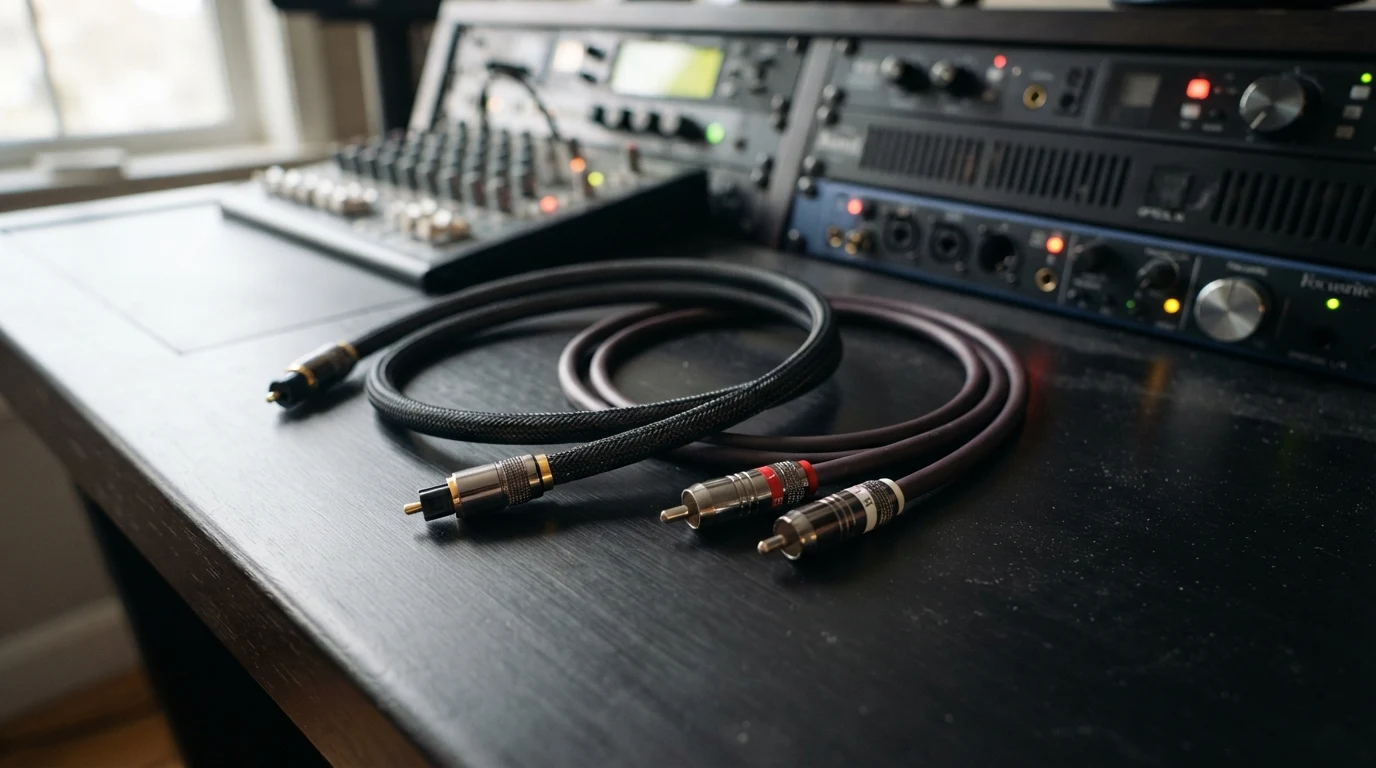
Updated July 2026. Optical audio cables and RCA cables both carry audio signals, but they work in fundamentally different ways. Optical cables transmit digital audio signals as pulses of light through a fiber optic cable. RCA cables transmit analog audio signals as electrical voltages through copper wire. The main difference is that optical audio carries digital signals, while RCA carries analog signals. This article explains the differences in detail.
Optical audio cables use Toslink connectors and fiber optic technology to transmit digital audio signals. They are immune to electromagnetic interference and can carry multi-channel surround sound. RCA cables use RCA connectors and copper wire to transmit analog audio signals. They can be affected by interference and are limited to two channels of audio. The choice between them depends on your equipment and audio quality requirements.
What Is Optical Audio?
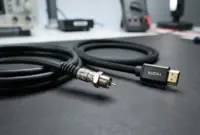
Optical audio, also known as Toslink, is a digital audio interface that transmits audio signals as pulses of light through a fiber optic cable. The cable consists of a fiber optic core, typically made of plastic or glass, surrounded by a protective jacket. The connector is a square or trapezoidal Toslink connector with a spring-loaded shutter. Optical audio supports stereo PCM audio up to 24-bit/192 kHz and compressed surround sound formats like Dolby Digital and DTS up to 5.1 channels. The maximum bitrate for optical audio is about 384 kbps. The maximum cable length is about 5 to 10 meters. Optical audio is immune to electromagnetic interference, which makes it a better choice in environments with high levels of electrical noise.
What Are RCA Cables?
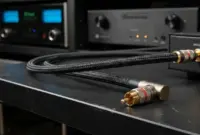
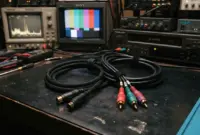
RCA cables are analog audio cables that use RCA connectors and copper wire to transmit audio signals. The RCA connector is a simple push-in connector with a center pin and outer ring. RCA cables carry analog audio signals as electrical voltages. Standard RCA audio cables are typically used for stereo audio, with one cable for the left channel and one for the right channel. RCA cables can also carry composite video signals, with the yellow connector being the standard for video. The quality of RCA cables affects the audio quality. Higher quality cables have better shielding, thicker conductors, and gold-plated connectors. The maximum cable length for RCA audio is about 10 meters for consumer applications, though longer runs can be used with higher quality cables. RCA cables are susceptible to electromagnetic interference, which can cause hum, buzz, or noise in the audio signal.
Optical vs RCA: Key Differences
The most important difference between optical and RCA audio is the type of signal. Optical carries digital signals, while RCA carries analog signals. Digital signals are immune to interference and signal degradation, while analog signals can be affected by cable quality, cable length, and interference. Optical audio can carry multi-channel surround sound up to 5.1 channels. RCA audio is limited to two channels for stereo. Optical audio requires a digital-to-analog converter in the receiving device, while RCA cables carry analog signals that can be directly amplified. Optical audio is the better choice for connecting digital sources like DVD players, game consoles, and cable boxes to an AV receiver or soundbar. RCA audio is the better choice for connecting analog sources like turntables, cassette decks, and older audio equipment. The audio quality of optical audio is generally better than RCA audio for digital sources because the digital signal is transmitted without degradation. For analog sources, RCA is the only option.
When to Use Optical Audio
Optical audio is the best choice for connecting digital audio sources to a receiver or soundbar. Use optical audio when you want to avoid ground loop hum or interference. Use optical audio when your equipment doesn’t have HDMI. Use optical audio for connecting a TV to a soundbar when HDMI ARC is not available. Use optical audio for connecting game consoles, DVD players, and streaming devices to an audio system. The main limitation of optical audio is that it cannot carry the newer object-based audio formats like Dolby Atmos. For these formats, you need HDMI. Optical audio is also limited to 5.1 channels of surround sound, which is sufficient for most home theater systems but not for advanced setups with height channels.
When to Use RCA Cables
RCA cables are the best choice for connecting analog audio sources. Use RCA cables for connecting a turntable, cassette deck, or other analog audio source to a receiver. Use RCA cables for connecting a CD player’s analog outputs to a receiver. Use RCA cables for connecting a media player or streaming device to an older receiver that doesn’t have digital inputs. The main limitation of RCA cables is that they carry analog signals that can be affected by interference and cable quality. For long cable runs, use higher quality shielded RCA cables to minimize interference. For stereo audio, RCA cables provide excellent audio quality when used with quality equipment. The difference between optical and RCA audio quality for stereo sources is often negligible on most systems.
Frequently Asked Questions
Is optical audio better than RCA?
For digital sources, optical audio is generally better because the digital signal is transmitted without degradation. For analog sources, RCA is the only option. The audio quality difference is often subtle on most systems.
Can I convert optical to RCA?
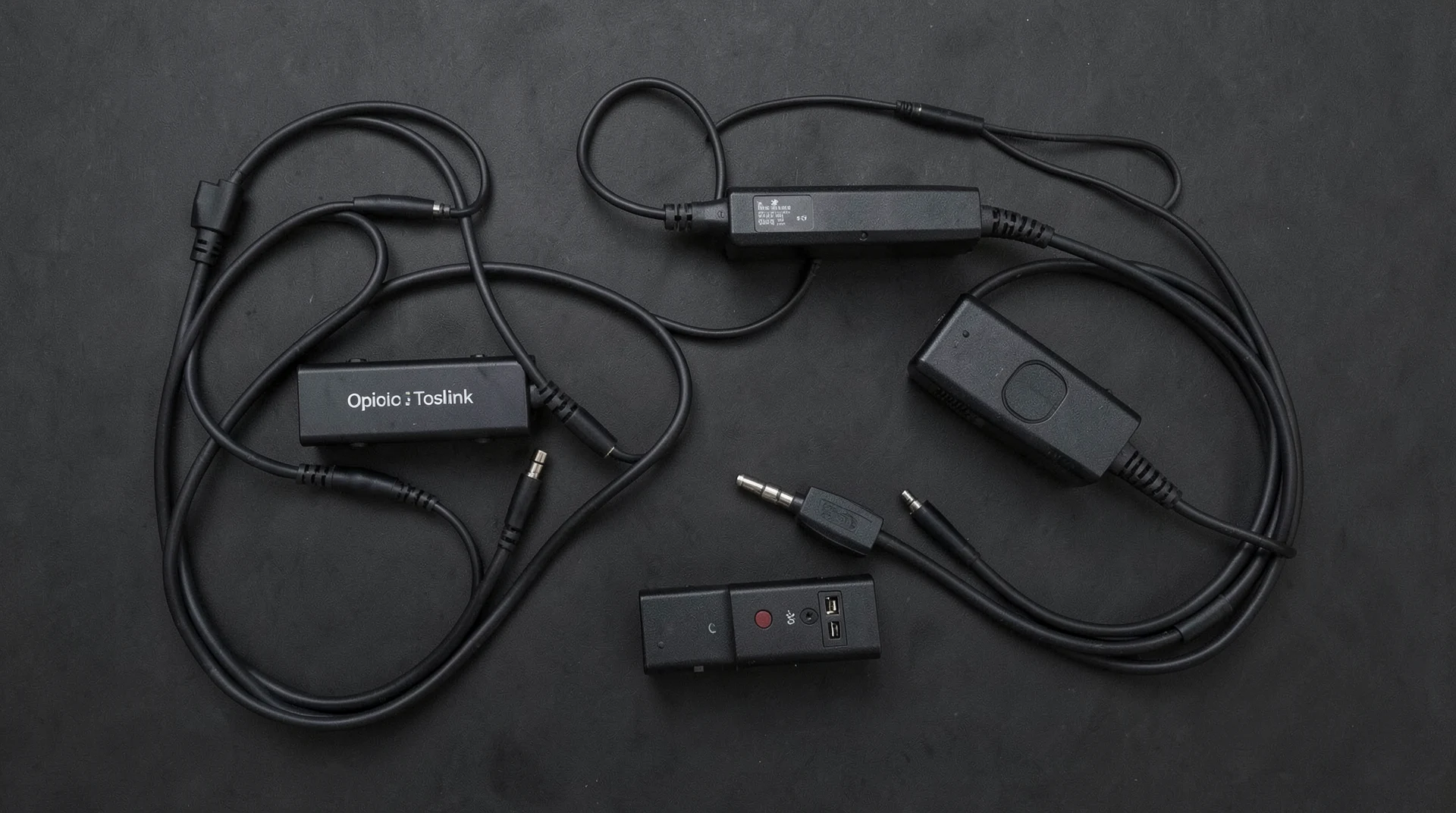
Yes, you can convert optical audio to RCA using a digital-to-analog converter. The converter receives the optical signal and converts it to analog RCA output. These converters are inexpensive and widely available.
Does optical audio sound better than RCA?
For digital sources, optical audio can sound better because it eliminates the digital-to-analog conversion in the source device. For analog sources, RCA is the only option. The difference is often subtle.
Can I use RCA cables for surround sound?
No, standard RCA cables are limited to two channels of stereo audio. For surround sound, you need optical audio, coaxial digital audio, or HDMI. RCA cables can only carry stereo audio.
Written by James Core, technology writer and audio specialist. Updated July 2026.
Optical Audio vs RCA Audio for Home Theater
For home theater systems, the choice between optical audio and RCA audio depends on the type of audio source. For digital sources like DVD players, Blu-ray players, game consoles, and streaming devices, optical audio is the better choice. It carries digital signals that are immune to interference and can support multi-channel surround sound. For analog sources like turntables and cassette decks, RCA cables are the only option. Most modern home theater systems use a combination of both connections. The HDMI connection is used for the primary audio and video signals. Optical audio is used as a backup or secondary connection. RCA audio is used for legacy analog sources. The audio quality of optical audio is generally superior to RCA audio for digital sources because the digital signal is transmitted without degradation. The digital-to-analog conversion happens in the receiver, which typically has higher quality converters than the source device. For stereo audio from a CD player, the difference between optical and RCA audio is often negligible. Many listeners cannot tell the difference in a blind test. For surround sound from a DVD or Blu-ray, optical audio is the better choice because it can carry the multi-channel audio signal.
Optical Audio vs RCA Audio for Music
For music listening, the choice between optical audio and RCA audio depends on your equipment and preferences. For digital music sources like CD players, streaming devices, and computers, optical audio provides a clean digital signal that is transmitted without degradation. The digital-to-analog conversion happens in the receiver or DAC, which may have higher quality converters than the source device. For analog music sources like turntables, RCA cables are the only option. The analog signal from a turntable must be amplified and equalized before it can be played through a speaker system. Some audiophiles prefer the sound of analog audio from RCA cables over digital audio from optical cables. They argue that analog audio has a warmer, more natural sound. Others prefer the precision and clarity of digital audio. The difference is subjective and depends on the quality of the equipment and the listener’s preferences. For most listeners, the difference between optical and RCA audio for music is subtle. The quality of the speakers and the listening environment have a much larger impact on the listening experience than the type of audio connection.
Optical vs RCA: Cable Quality and Performance
The quality of the cable affects the performance of both optical and RCA connections. For optical audio, the quality of the fiber optic core and the connectors affects the signal quality. Higher quality optical cables have better-polished ends that transmit more light, resulting in a stronger signal. The cable should be protected from bending and crushing, which can damage the fiber optic core. The maximum cable length for optical audio is about 5 to 10 meters, depending on the cable quality. For RCA audio, the quality of the cable affects the signal quality. Higher quality RCA cables have better shielding, thicker conductors, and gold-plated connectors. The shielding protects the signal from electromagnetic interference. The conductor thickness affects the resistance of the cable. Gold-plated connectors resist corrosion and provide better contact. The maximum cable length for RCA audio is about 10 meters for consumer applications. For longer runs, use higher quality cables with thicker conductors and better shielding. In both cases, spending more on cables does not necessarily improve performance. A mid-range cable from a reputable brand provides excellent performance for most applications. The law of diminishing returns applies to audio cables, with very expensive cables providing minimal improvement over mid-range options.
My Recommendation for Optical vs RCA
Based on my experience with audio equipment, I recommend using optical audio for digital sources and RCA audio for analog sources. For most home audio systems, the combination of both connections provides the best flexibility. If you have a digital source and your equipment supports optical audio, use it. If you have an analog source, use RCA cables. If you’re setting up a new system, consider using HDMI for audio when possible, as it supports higher quality audio formats and carries both video and audio in a single cable. Optical audio is a good backup option for digital audio when HDMI is not available. RCA audio is essential for legacy analog sources. For the best audio quality, invest in good speakers and a quality receiver rather than expensive cables. The speakers and room acoustics have a much larger impact on sound quality than the type of audio cable.
Optical vs RCA for Gaming
For gaming, both optical audio and RCA audio can provide good sound quality. Optical audio is the better choice for gaming because it supports surround sound and is immune to interference. Most modern game consoles have optical audio outputs that can be connected to a soundbar or AV receiver. The surround sound capability of optical audio provides an immersive gaming experience. RCA audio is limited to stereo sound, which is less immersive for gaming. However, many gamers use stereo headphones for gaming, which makes the surround sound capability of optical audio irrelevant. For gaming with headphones, the audio quality of optical and RCA is similar. The main advantage of optical audio for gaming is that it eliminates the possibility of ground loop hum, which can cause buzzing or humming sounds through the speakers. The main disadvantage of both optical and RCA audio for gaming is that they cannot carry the higher-quality audio formats like Dolby Atmos that are available on newer consoles. For the best gaming audio experience, use HDMI for Dolby Atmos support. If your gaming setup doesn’t support HDMI audio, optical audio is a good alternative that provides excellent surround sound quality.
Optical vs RCA: Compatibility and Equipment
Optical audio is found on a wide range of modern audio equipment, including TVs, soundbars, AV receivers, game consoles, and DVD players. RCA audio is found on virtually all audio equipment, including receivers, amplifiers, speakers, turntables, and older audio devices. The compatibility of RCA audio is universal, while optical audio is limited to digital audio equipment. Most modern AV receivers have both optical and RCA inputs, providing flexibility for different types of sources. If your equipment has both optical and RCA inputs, use optical for digital sources and RCA for analog sources. If your equipment only has RCA inputs, you can use a digital-to-analog converter to connect optical audio sources. If your equipment only has optical inputs, you can use an analog-to-digital converter to connect RCA audio sources. The availability of converters makes it possible to connect almost any audio source to any audio system, regardless of the connection type.
Related posts